Flowers Associated With Magic: A Witch's Guide to Floral Spell Work
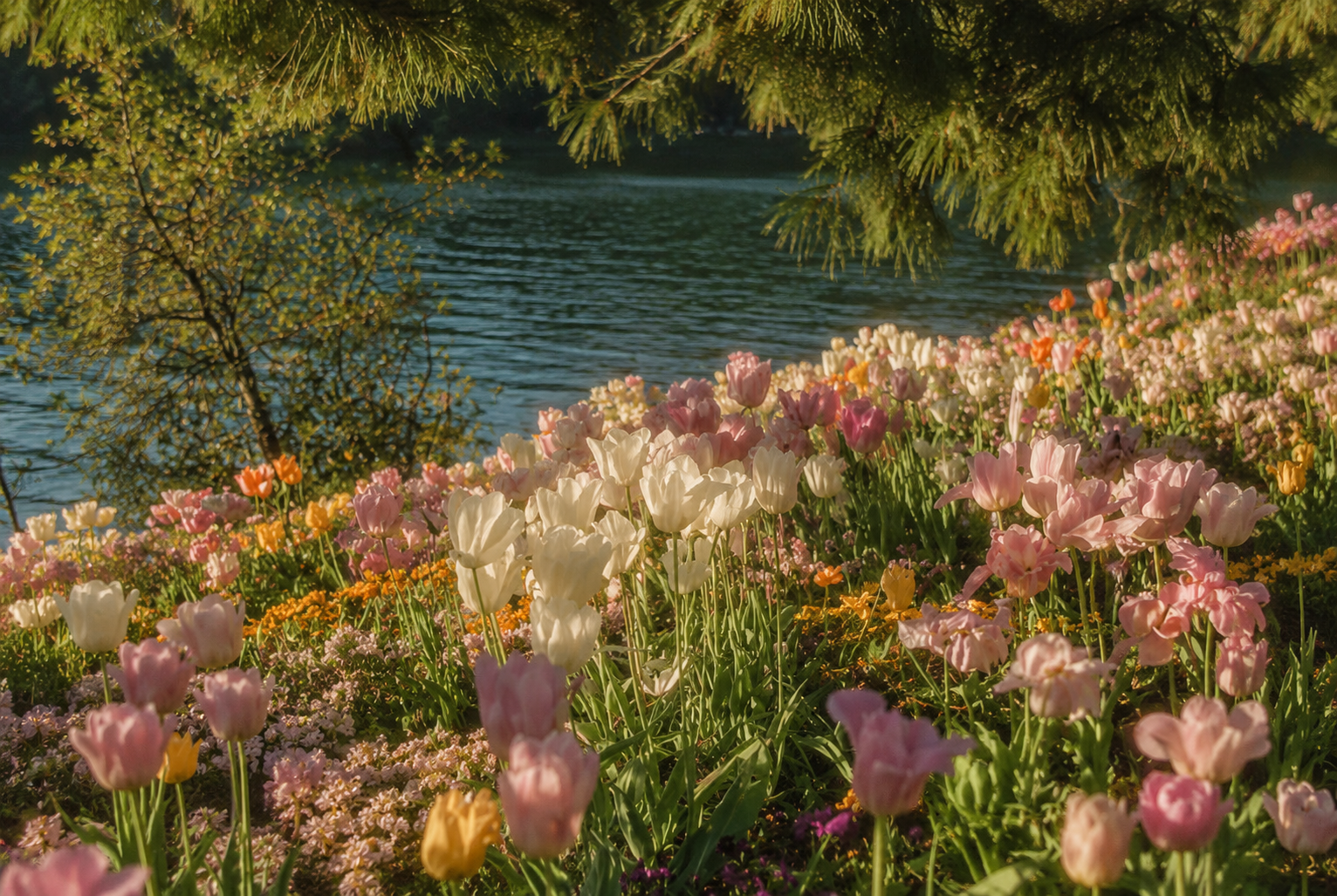
Long before there were spell books or crystal collections, there were flowers. Every tradition of folk magic, herbalism, and witchcraft across every culture has worked with flowering plants as primary tools of the craft. Flowers carry their own energetic signatures, their own ancient stories, their own relationship with the forces witches work with: love, protection, healing, abundance, psychic sight, and the spaces between worlds.
This is not decorative magic. Flowers placed on an altar, woven into a spell, dried and carried in a charm bag, or floated in charged water are active participants in the working. Each bloom has a vibration, a history, and a specific kind of power that has been recognized and worked with across centuries.
This guide covers the most significant flowers associated with magic in witchcraft and folk tradition, organized by magical intention so you can find exactly what you need for the working you are building.
Flowers for Love Magic
Rose The rose is the most widely used flower in love magic across virtually every tradition in the world. It carries the full spectrum of love energy: passion, tenderness, grief, healing, and sacred vulnerability. Red roses bring fierce romantic desire. Pink roses carry gentle, nurturing love and are ideal for honey jar spells, attraction work, and rituals to soften someone's heart. White roses hold the energy of healing and pure intention. Rose petals and rose oil appear in more love spells than almost any other ingredient, and for good reason: the rose's energetic frequency resonates deeply with the human heart.
Jasmine Jasmine is one of the most potent flowers for sensual love magic. Its heavy, intoxicating scent carries an energy of desire, magnetism, and dreamlike attraction. It is used in spells to ignite passion, deepen romantic feeling, and amplify the magnetic pull between two people. Jasmine also strengthens dreamwork, making it useful for spells where you want someone to dream of you.
Lavender Lavender bridges love and peace in a way few flowers do. It is used in relationship spells to bring harmony, ease conflict, dissolve tension, and restore warmth between two people who have grown distant. In spells to strengthen a relationship or remove negativity from a bond, lavender does the quieting work, softening what has hardened and smoothing what has grown rough. It also carries a protective quality, particularly in matters of love.
Yarrow Yarrow is one of the oldest magical plants known to humanity, with evidence of its use dating back over sixty thousand years. In love magic it works through psychic connection and desire, amplifying the energetic link between two people and strengthening the pull of attraction. It is particularly useful in spells where you want to deepen an existing connection or increase your presence in someone's thoughts.
Violet In Celtic lore, violets were said to grow where the veil between worlds was thinnest. In love magic they are associated with deep, faithful feeling and are used in spells for lasting affection and true connection. In 15th century Germany, wearing a violet was said to ensure you would not be forgotten by your lover.
Hibiscus Hibiscus carries a bold, warm energy of desire and passion. It is used in lust spells and attraction rituals, and is particularly associated with drawing attention, amplifying personal magnetism, and intensifying romantic feeling. It is one of the flowers most strongly linked to desire energy in folk magic traditions.
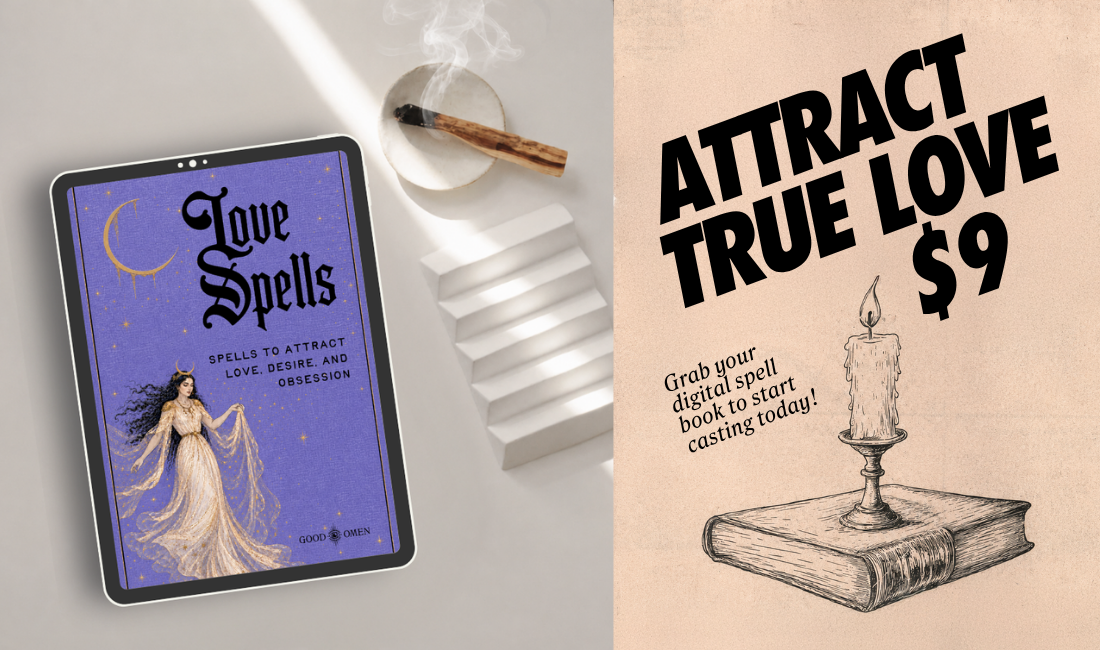
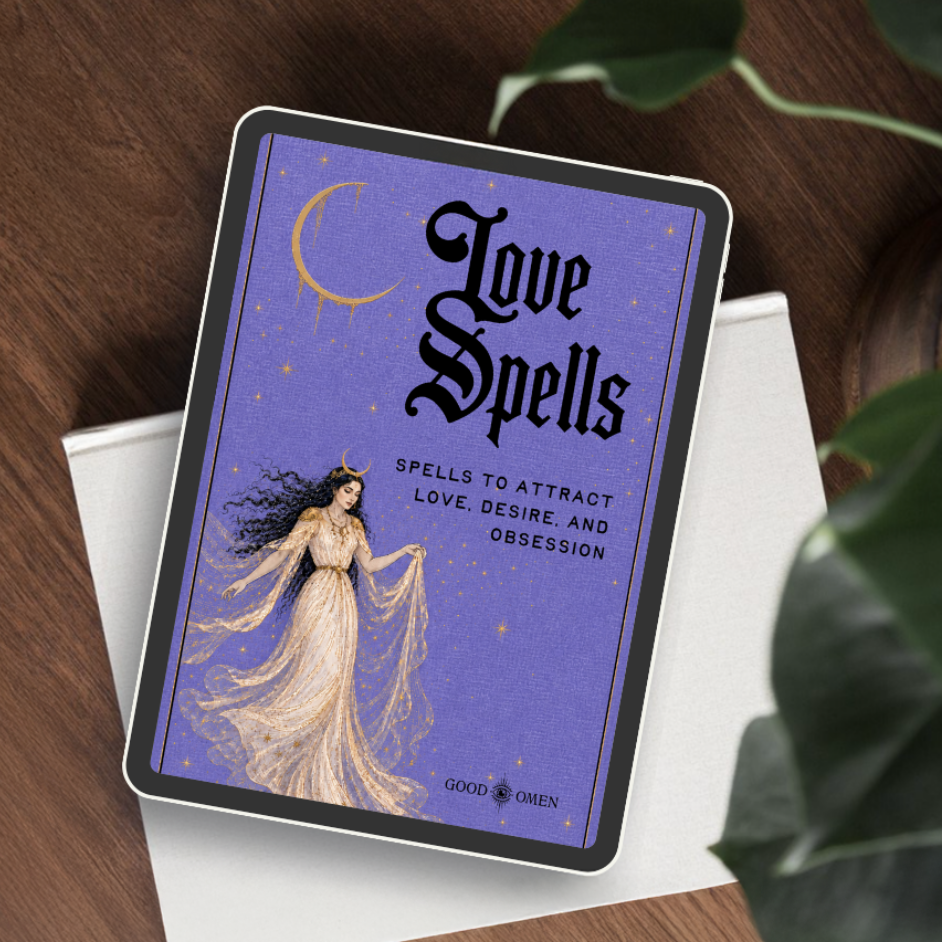
Love Spells That Work: Spells to Attract Love, Desire, and Obsession is a beautifully crafted collection of love rituals, attraction magic, and relationship spellwork designed to help you call in romance, deepen emotional bonds, reignite passion, and become impossible to forget.
Inside this digital grimoire, you’ll discover 22 love spells, including:
Honey jar spell for sweetening love and attraction
Spell to find a lover
Spell to make someone think of you nonstop
Spell to bring someone to you
Seductive spell to make him crave you
Nurturing spell to strengthen a relationship
Traditional spells to make someone love you using candles, herbs, oils, and petitions
Love binding spell for deeper energetic connection
Cleansing spell to remove negativity from a relationship
Emotional healing spells to bring back a lover
Magnetic love spell chant for attraction and manifestation
Also includes:
Step-by-step instructions for every ritual
Self-love and confidence spellwork
Guide to magical tools, herbs, stones, and oils
Soulmate attraction spells
Passion and reconciliation rituals
Candle magic and moon rituals
Perfect for beginner witches, spiritual practitioners, manifestation lovers, and anyone seeking deeper love, passion, obsession, and connection.
Instant digital download — begin your spellwork tonight. ✨
Flowers for Protection Magic
Marigold Marigold, also called calendula, is one of the most protective flowers in the magical garden. It creates a strong energetic boundary, wards off harmful energies, and has been used for centuries to protect the home and the people within it. It also supports psychic vision and dreamwork. Placed at thresholds and windowsills it is traditionally said to prevent unwanted energies from entering.
Snapdragon Snapdragon has a long history as a protective flower in European folk magic. It is used to shield against malevolent forces, break curses, and create a boundary that negative energy cannot cross. In magical practice their energy is firmly protective and is one of the most direct banishing flowers available.
Lilac Lilac sits at the crossroads of protection and spirit work. Its heady scent is known in magical tradition to trigger ancestral memory and dreamlike states. White lilac in particular has deep associations with thresholds between life and death in British folklore. In modern witchcraft it is used for purification, clearing old energy, past life work, and protection of the spirit and the home.
Foxglove Foxglove is one of the most storied magical flowers in the British Isles. Its name is thought to derive from folk's glove, a reference to the fairies who were said to live inside its bell shaped blooms. In magical practice it is used for protection and for working with liminal energies, the spaces between the seen and unseen worlds. It is also deeply connected to fairy magic and is traditionally planted in cottage gardens to invite the fae. A word of caution: foxglove is poisonous. It should never be ingested, burned, or rubbed on the skin. Work with it symbolically, on the altar or in dried sealed form.
Peony Peony has been used as a protective flower in magical traditions dating back to ancient Greece. It is particularly useful for banishing negative energy, breaking hexes, and providing a protective energetic shield around a person or a home.
Flowers for Healing Magic
Chamomile Chamomile is a gentle but steady healing flower. It brings peace, eases energetic tension, and promotes emotional balance. In folk magic it is associated with drawing in calm and positive energy, and has been offered as a sacred herb in traditions going back to ancient Egypt, where it was associated with the sun and with creation. Use it in healing spells, peace rituals, and any working where you need to soften anxiety or restore ease.
Gardenia Gardenia carries a deep, serene healing frequency. It reduces spiritual pain, promotes harmony, and eases grief. In folk magic tradition wearing gardenia or placing fresh gardenia in a space is said to attract healing energy and create an atmosphere of peace and emotional safety.
Elderflower Elderflower is one of the most powerful threshold plants in the folk magic tradition. It works at the edges of things, in the liminal spaces where healing and transformation happen. It is used in spirit boundary work, emotional healing, and for clearing the energetic residue left by grief, loss, or significant life transitions. Elder carries the energy of transformation and deep restoration across British and European folk traditions.
Iris Iris is associated with spiritual cleansing and emotional healing. Named for the goddess of the rainbow in Greek mythology, it carries the energy of clearing, renewal, and the restoration of peace. It is used in healing rituals and spells to purify a space or a person after difficult experiences.
Flowers for Abundance and Money Magic
Chamomile Beyond its healing properties, chamomile has strong associations with prosperity in folk magic. Sprinkling chamomile flowers around the home was traditionally said to attract financial blessings. It was once offered to the sun god Ra, connecting it to creation, manifestation, and the drawing in of abundance.
Sunflower Sunflower carries the energy of personal growth, confidence, and the drawing in of positive outcomes. It faces the sun and follows it across the sky, making it a symbol of active pursuit and magnetic attraction. In money magic it is used to draw prosperity, amplify abundance intentions, and remove the energetic blocks that keep financial flow stagnant.
Honeysuckle Honeysuckle is one of the most traditional flowers for money and luck magic in European folk tradition. It draws prosperity, attracts good fortune, and creates an energetic opening for abundance to arrive. Growing it near the home is said to invite financial blessings across the threshold.
Poppy Poppies have long been associated with dreams, abundance, and the manifestation of opportunity. In folk magic they are used to draw luck, open doors to prosperity, and amplify the energy of abundance spells. Their connection to sleep and dreams also makes them useful for dream magic and for seeding intentions into the unconscious.
Flowers for Psychic Work and Divination
Mugwort Mugwort is one of the most important plants in the witch's garden for psychic and intuitive work. It sharpens psychic perception, supports astral projection, deepens dreamwork, and enhances the clarity of divination. It is associated with lunar energy and is most potent when worked with at the full or dark moon. Mugwort tea has traditionally been drunk before divination, though it should be used carefully and avoided by those who are pregnant.
Moonflower Moonflower blooms only at night, opening in the moonlight and closing at dawn. This alone makes it one of the most potent flowers for lunar magic, dreamwork, and psychic vision. It is associated with mystery, the unconscious, and the hidden forces that operate beneath the surface of waking reality. Moonflower on a witch's altar invites the deep seeing that comes when ordinary perception relaxes.
Orchid Orchid carries a refined, elevated psychic frequency. It is associated with enhancing intuitive perception and psychic abilities in folk magic traditions, and is used in rituals designed to open the inner senses and deepen spiritual perception. It also carries associations with love and desire.
Blue Lotus Blue lotus has been used in magical and spiritual traditions for thousands of years, including in ancient Egypt, where it was associated with the divine and with the expansion of consciousness. In modern witchcraft it is used for psychic work, meditation, spirit communication, and deepening the quality of inner vision.
How to Use Flowers in Spell Work
Knowing which flowers carry which energy is the beginning. Here is how to bring them into actual practice.
In candle spells. Dried flower petals and crumbled herbs can be rolled into an anointed candle, sprinkled in a circle around its base, or scattered across the surface of a spell working. Each flower you add becomes an energetic participant in the ritual.
In sachets and charm bags. A small cloth bag filled with dried flowers whose magical properties align with your intention creates a portable spell you can carry with you or place in a significant location. A love sachet might hold rose petals, lavender, and yarrow. A protection sachet might hold marigold, rosemary, and peony.
In moon water and ritual baths. Floating fresh or dried flower petals in charged water brings their energy into the water itself. This water can then be used in spell work, poured at a threshold or crossroads as an offering, or added to a ritual bath.
On the altar. Fresh flowers placed on an altar bring living energy into the space and align the working with the specific magical properties of the bloom. Change them before they begin to wilt, as dead energy on an altar works against the intention.
In written spell work. Pressing a dried flower into a petition paper or folding it into a name paper before placing it in a honey jar or burying it in the earth adds the flower's energetic signature to the written intention.
Quick Reference: Magical Flowers and Their Properties
Rose: love, passion, healing, protection Jasmine: desire, sensuality, dreamwork, attraction Lavender: harmony, peace, love, protection Yarrow: psychic connection, desire, courage, divination Violet: true love, loyalty, memory, liminal magic Hibiscus: lust, passion, personal magnetism, desire Marigold: protection, psychic vision, dreamwork Snapdragon: protection, banishing, curse breaking Lilac: purification, past life work, ancestral memory, protection Foxglove: fairy magic, liminal work, protection (symbolic use only, poisonous) Peony: protection, banishing, hex breaking Chamomile: healing, peace, prosperity, abundance Gardenia: healing, harmony, grief, emotional safety Elderflower: threshold magic, transformation, emotional healing Iris: spiritual cleansing, renewal, peace Sunflower: abundance, personal growth, prosperity Honeysuckle: money, luck, financial abundance Poppy: dreams, luck, abundance, manifestation Mugwort: psychic work, dreamwork, lunar magic, divination Moonflower: lunar magic, psychic vision, the unconscious Orchid: psychic ability, love, spiritual perception Blue Lotus: psychic work, spirit communication, consciousness expansion
Frequently Asked Questions
What is the most powerful flower in magic? The rose is the most widely used and most consistently potent flower in magical traditions across cultures and centuries. Its energetic range is vast: love, grief, healing, protection, desire, and transformation. After the rose, jasmine and lavender appear most frequently in active spell work.
Can I use fake or artificial flowers in spells? Fresh or dried flowers carry actual plant energy, which is what makes them effective in magic. Artificial flowers do not carry this energy and are generally not considered effective for spell work. If fresh flowers are not available, dried flowers are a fully appropriate alternative.
Do flowers need to be harvested at a specific time? Traditionally, flowers gathered in the morning before the dew has dried carry the strongest energy. Flowers gathered at night, particularly under a full or new moon, carry potent lunar energy suited to love, psychic, and releasing work. That said, intention matters more than perfect timing.
What flowers should a beginner witch keep on hand? Rose petals, lavender, and chamomile cover the most essential magical intentions: love, protection, harmony, healing, and abundance. Dried yarrow adds psychic and desire energy. These four together form a solid foundational collection for almost any kind of spell work.
Are any magical flowers dangerous? Foxglove is poisonous and should never be ingested, burned, or applied to the skin. Work with it symbolically only. Moonflower and datura are also toxic. Many magical traditions include poisonous plants because their very danger is part of their power, but dangerous plants must be treated with full respect and physical caution.
Looking for more? Explore our guides on beauty spells, 3 water spells for beginners, and the honey jar spell.