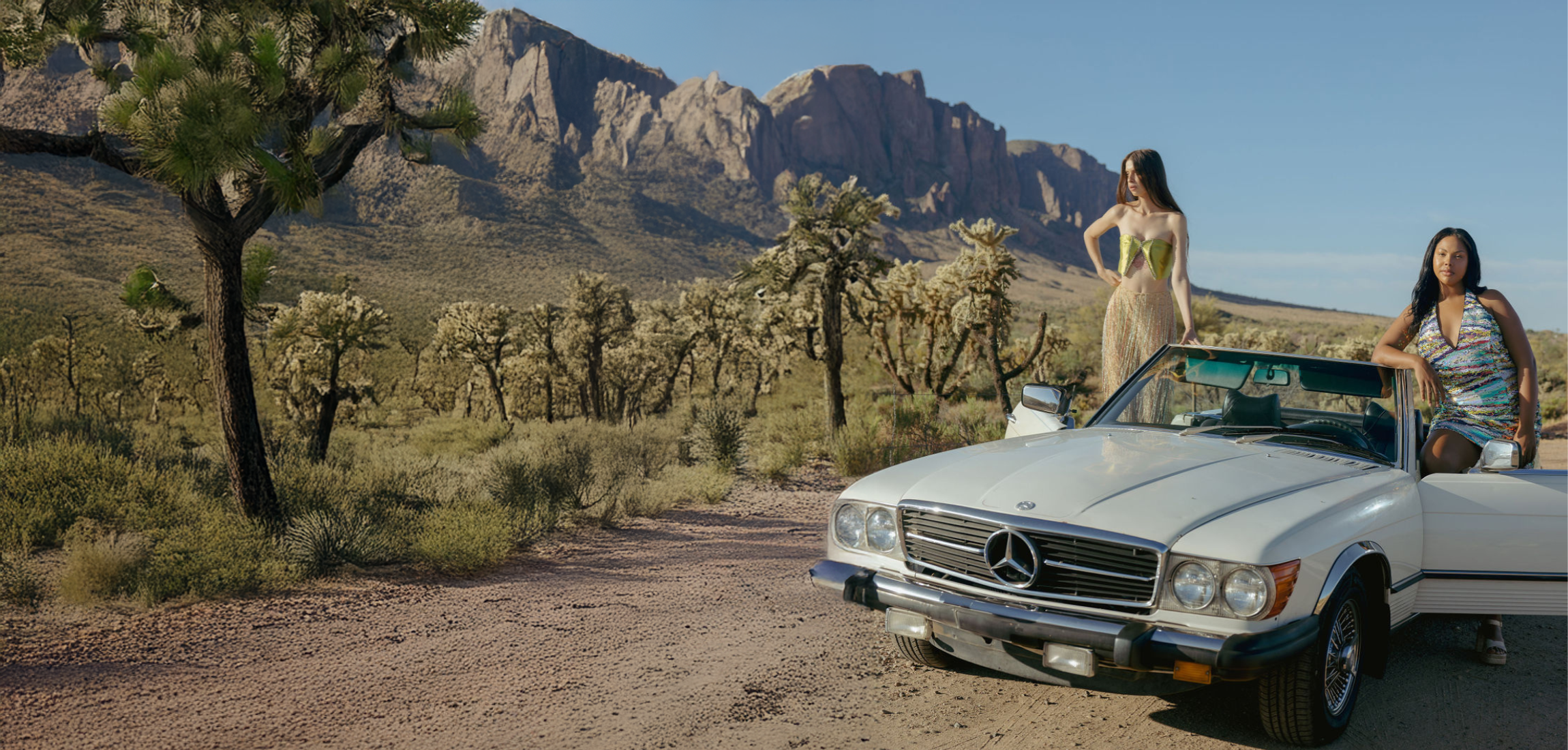
You know the feeling. You step onto a certain hilltop or into a certain canyon, and the world goes still. The air feels charged, your heart opens, and you’re suddenly aware that you’re standing somewhere very old and very alive.
Energy vortexes are places in nature where the Earth’s energy is believed to be especially strong, amplifying whatever you bring to them: your thoughts, emotions, prayers, and intentions. Many of the world’s most powerful vortexes are also its most famous sacred sites, places ancient peoples marked with temples, monuments, and ceremony.
Below you’ll find five of the most powerful energetic vortexes in the world, what makes each one special, and how to visit respectfully, plus more power places to add to your list.
What Makes a Place an Energy Vortex?
An energy vortex is a place where the Earth is exceptionally alive and healthy. You can usually recognize one in two ways:
Extraordinary natural beauty, the physical sign of the land’s aliveness
A palpable energy, which many visitors feel as peace, clarity, tingling, or strong emotion
That energy is said to act as an amplifier, magnifying whatever you bring to it. Ancient peoples seem to have sensed this. In culture after culture, those most sensitive to the Earth’s energy, whether shamans, priests, priestesses, or medicine people, placed their great stones and temples at these sites, knowing their prayers and rituals would be amplified there.
Not every sacred site is called a “vortex.” That word comes from Sedona and only became popular in the 1980s. Many cultures have their own names and understandings of these places, and it’s important to honor them.
The Top 5 Energy Vortexes at a Glance
Sedona (Arizona, USA): known for red rock vortexes and amplified energy; best for meditation, clarity, and healing.
Mount Shasta (California, USA): known as a sacred mountain with legends of Lemuria; best for peace and spiritual awakening.
Glastonbury (Somerset, England): known for the Tor, Chalice Well, and Avalon; best for Goddess and Arthurian connection.
Uluru (Northern Territory, Australia): known as a sacred Anangu site; best for reverence and connection to ancient land.
Great Pyramid of Giza (Giza, Egypt): known as an ancient wonder of sacred geometry; best for ancient wisdom and power.
1. Sedona, Arizona
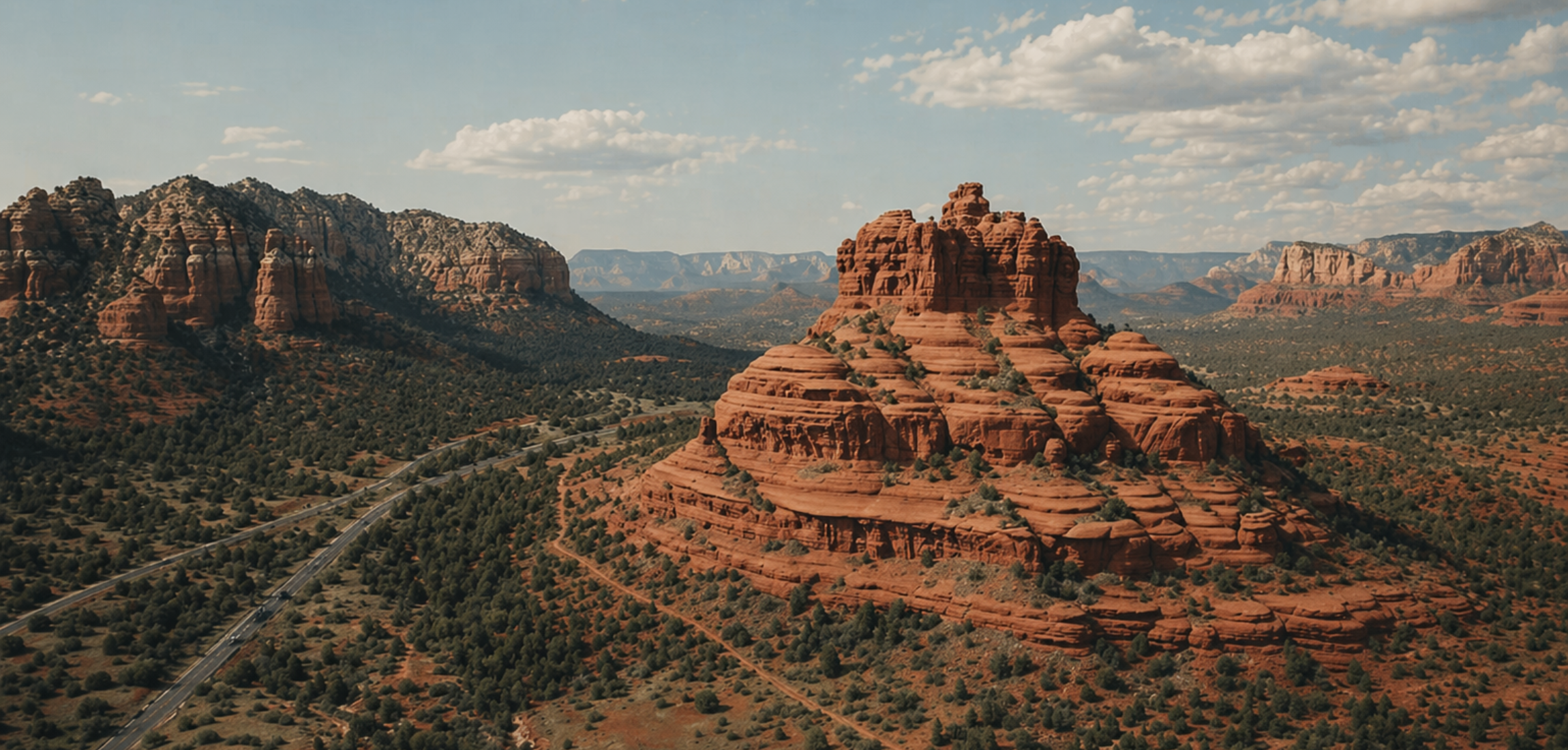
Sedona is the most famous energy vortex in the world, and the place where the term “vortex” was first used to describe Earth energy. Its red, orange, and beige sandstone towers rise above green forests beneath a vivid blue sky, and many visitors say they feel the energy before they’ve even arrived.
Why it’s powerful: Sedona is said to be one of the healthiest, most alive places on Earth, with energy that amplifies whatever you bring to it, whether physical, mental, emotional, or spiritual.
The main vortex sites: Airport Mesa, Cathedral Rock, Bell Rock, and Boynton Canyon, each reached by a fairly gentle walk.
What to do: meditate at a vortex at sunrise or sunset, hike the red rock trails, visit the ancient Sinagua cliff dwellings at Palatki and Honanki, or book an energy healing session in town.
Visit respectfully: Boynton Canyon is sacred to the Yavapai people. Stay on the trails, don’t build rock piles, and leave no trace.
For the full guide, see our Sedona vortexes guide.
2. Mount Shasta, California
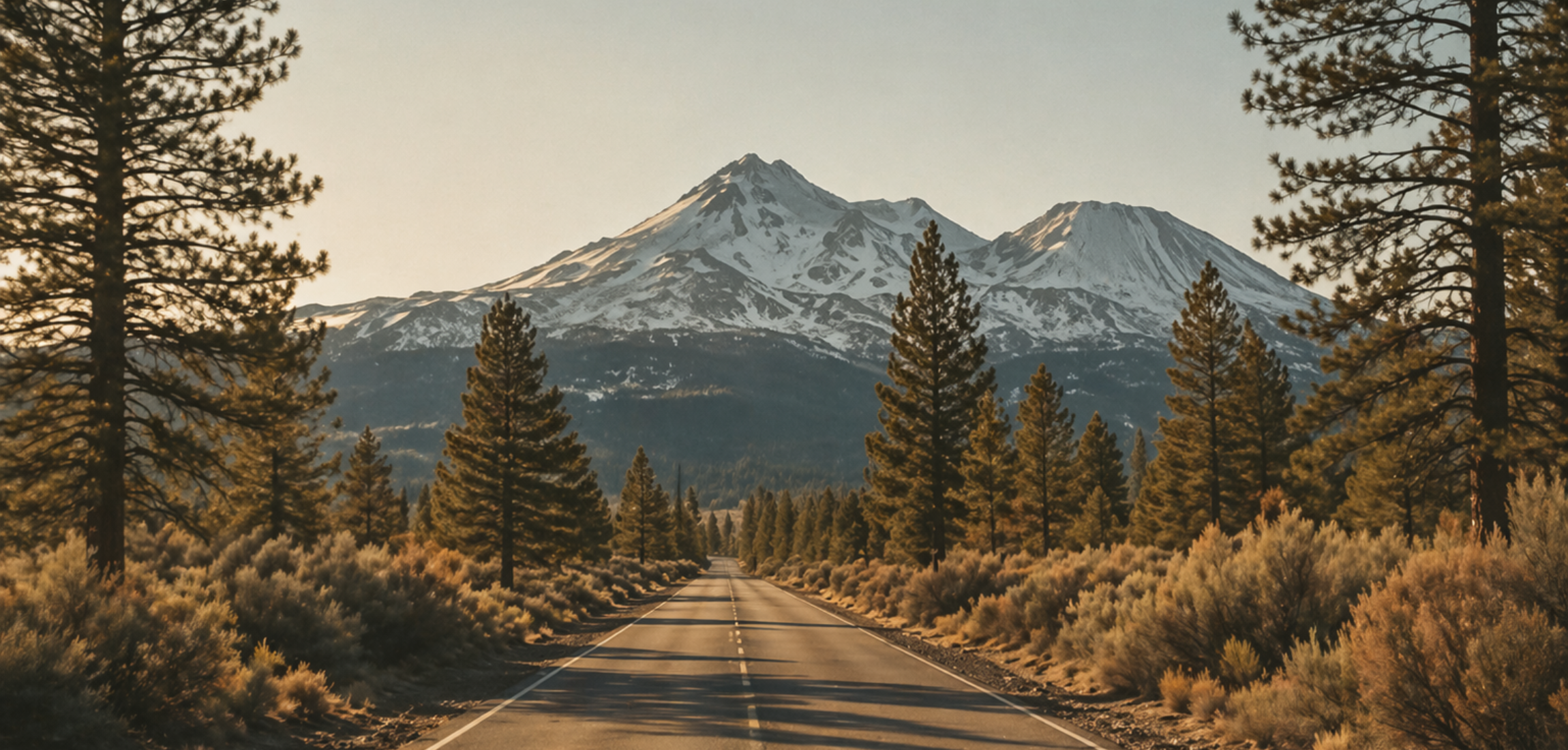
Rising 14,179 feet above Northern California, Mount Shasta is a snow-capped volcano that dominates the landscape for miles. It has been sacred to Native peoples of the region, including the Shasta, Karuk, Wintu, and Modoc, for thousands of years, and it’s one of the most important spiritual destinations in North America.
Why it’s powerful: many visitors describe a deep sense of peace and spiritual awakening here. Modern spiritual lore holds that the mountain hides Telos, a city of the ancient Lemurians, and many people come seeking that mystical connection.
What to do: meditate at the headwaters of the Sacramento River in Mount Shasta City Park, drink from the springs, hike the lower slopes, or visit the town’s many crystal and metaphysical shops.
Visit respectfully: Mount Shasta remains a living sacred site for Native peoples. Treat its springs and meadows with care, and leave offerings only where it’s appropriate and welcome.
3. Glastonbury, England
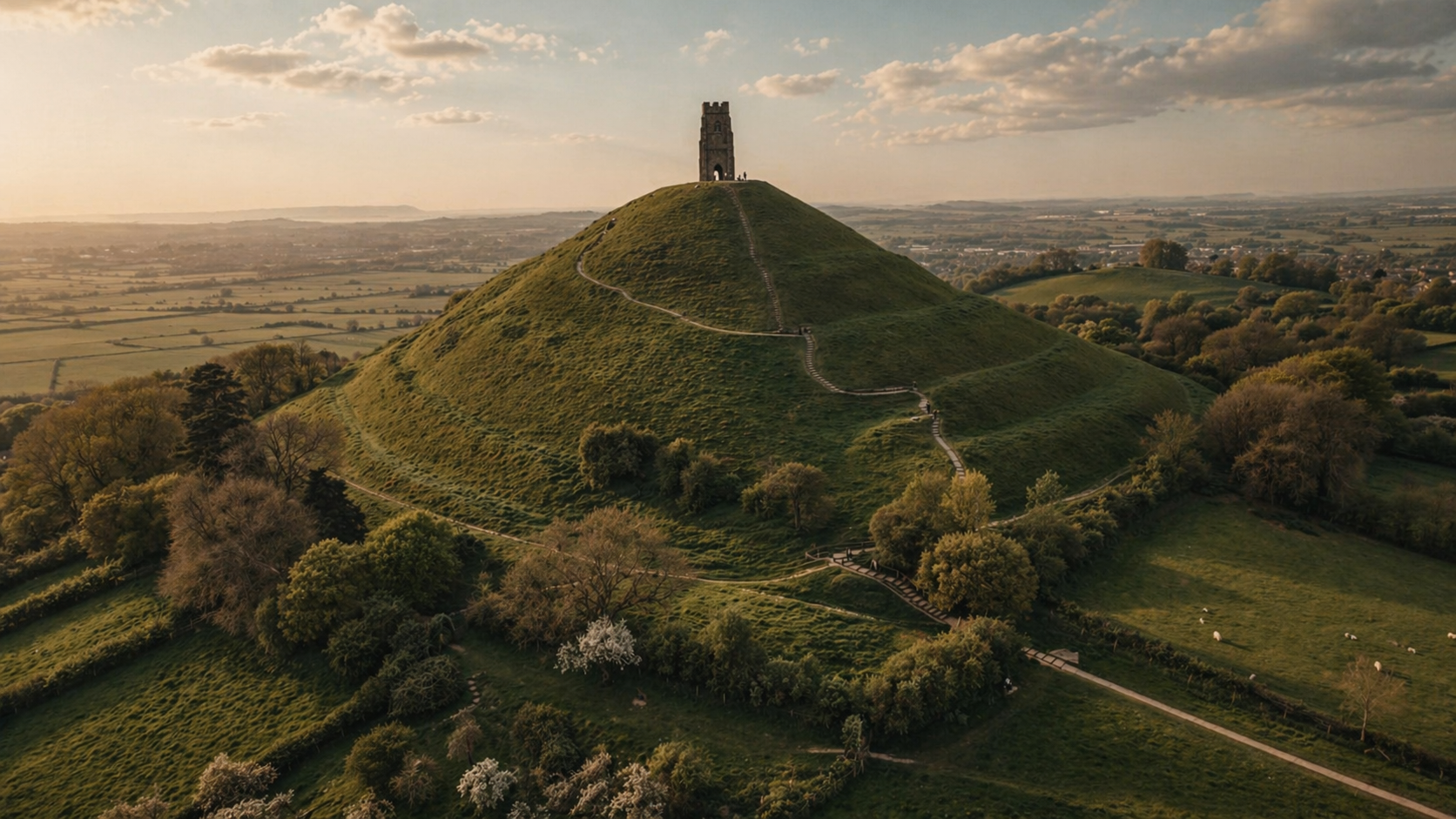
Glastonbury is a small town in Somerset that has been a spiritual center for thousands of years. It’s linked in legend to the mystical Isle of Avalon, to King Arthur, and to the Holy Grail, and today it’s a gathering place for Pagans, Christians, and seekers of every path.
Why it’s powerful: Glastonbury Tor, the striking hill crowned by the ruined St Michael’s Tower, is said to be a doorway between the physical and spiritual worlds. Many believe ley lines, the lines of earth energy said to connect sacred sites, cross here.
What to do:
climb the Tor at sunrise
drink from the iron-rich red waters of the Chalice Well, set in peaceful gardens
visit the ruins of Glastonbury Abbey, said to be the burial place of King Arthur
explore the town’s many spiritual shops
Visit respectfully: the Tor can be steep and windy, so wear good shoes. At the Chalice Well, keep the gardens a quiet, contemplative space for everyone.
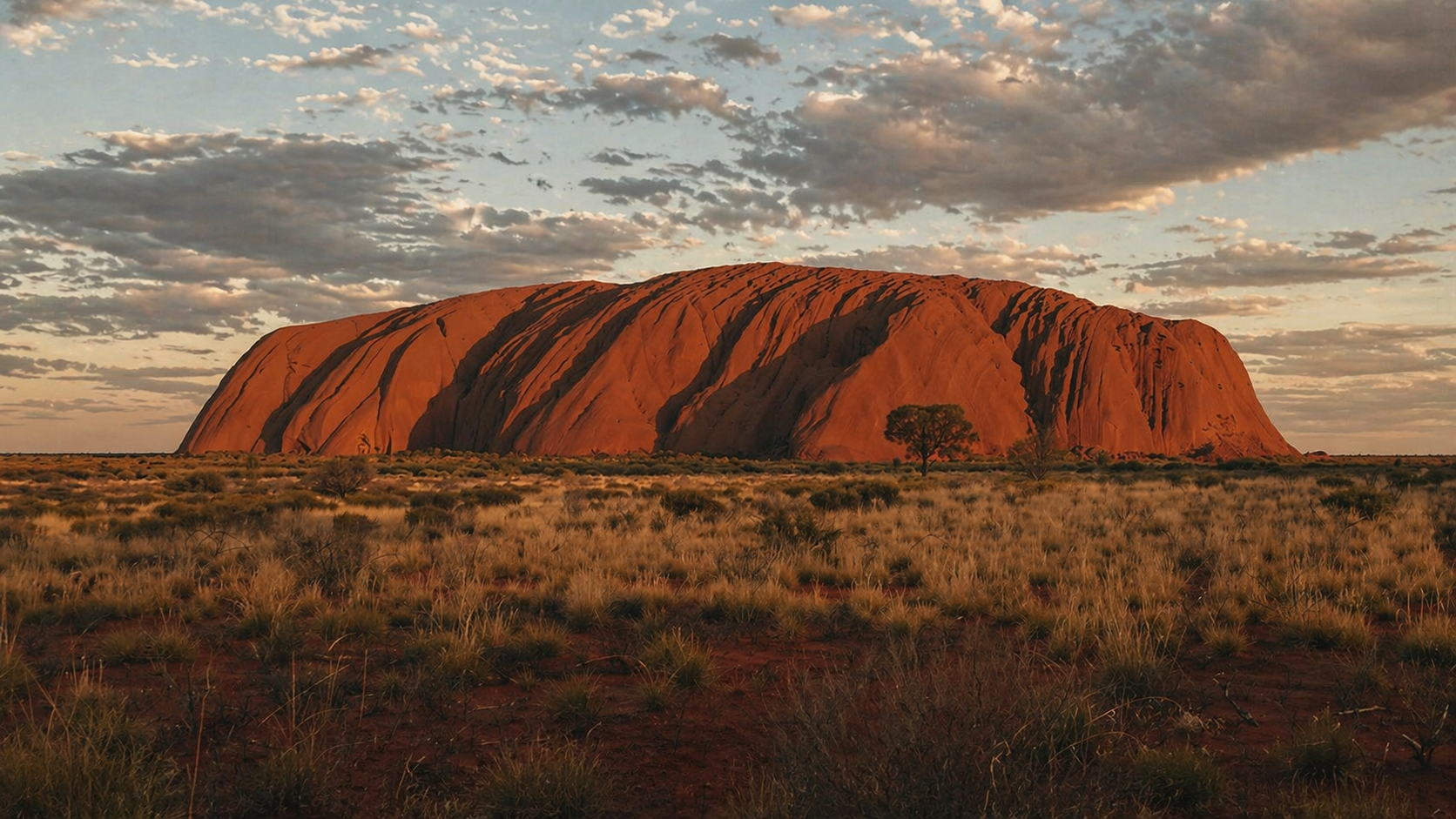
4. Uluru, Australia
Uluru is a vast sandstone monolith rising from the red desert of Australia’s Northern Territory, inside Uluru-Kata Tjuta National Park. It is sacred to the Anangu, the Aboriginal traditional owners of this land, whose culture here stretches back tens of thousands of years.
Why it’s powerful: many visitors describe an overwhelming sense of reverence and timelessness at Uluru. It’s worth knowing that the word “vortex” is a modern Western idea; for the Anangu, Uluru is part of Tjukurpa, the foundation of their law, knowledge, and way of life.
What to do: walk the base of Uluru, join a ranger-guided or Anangu-led cultural walk, visit the Cultural Centre, and watch the rock change color at sunrise and sunset.
Visit respectfully: climbing Uluru has been permanently banned since October 2019 at the request of the Anangu. Some areas are culturally sensitive and photography isn’t allowed there, so follow all signs. Learning the Anangu’s own stories of this place is the most respectful way to experience it.
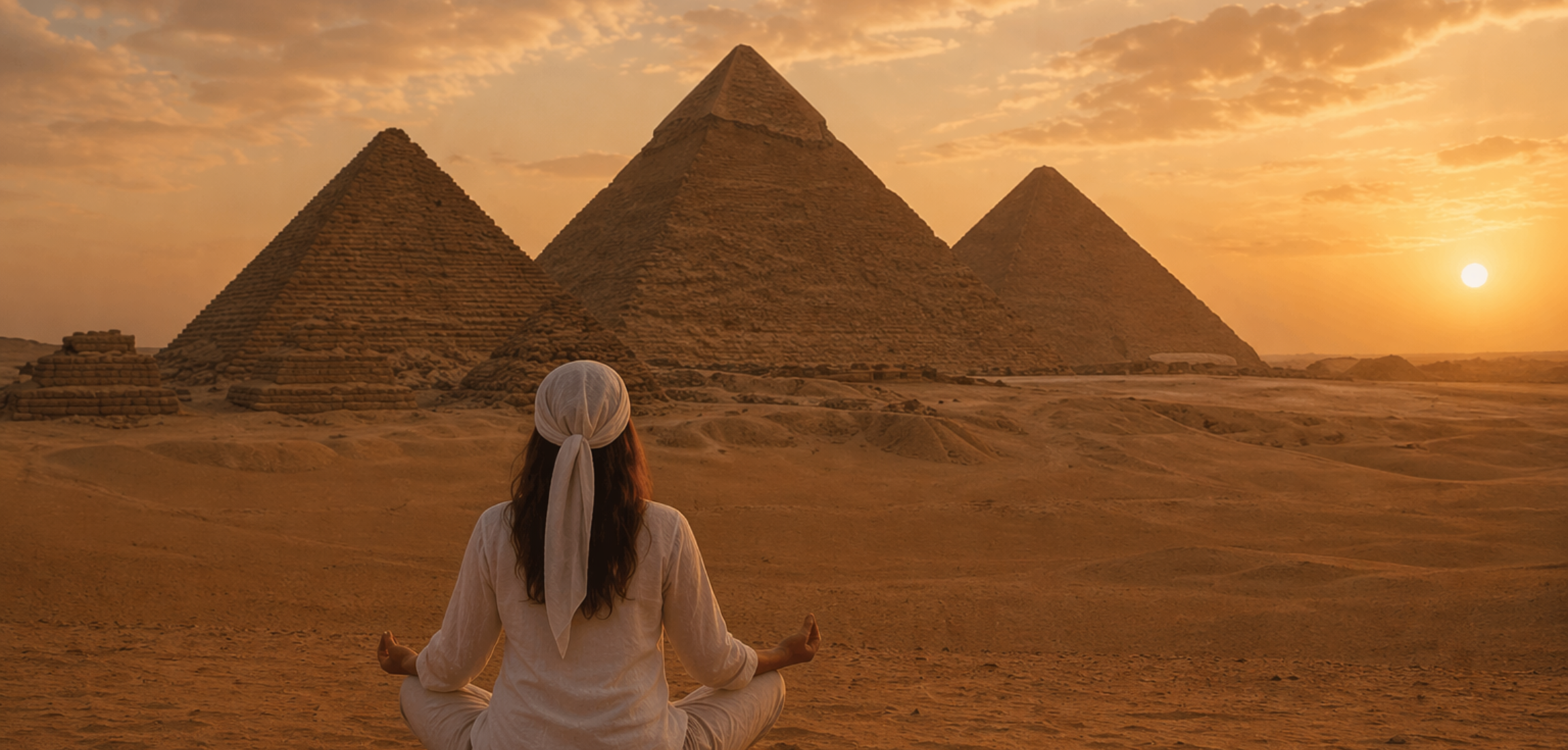
5. The Great Pyramid of Giza, Egypt
The Great Pyramid of Giza, built around 2560 BC for the pharaoh Khufu, is the oldest and largest of the three pyramids at Giza, and the only one of the Seven Wonders of the Ancient World still standing. For many spiritual travelers, it’s the ultimate power place.
Why it’s powerful: the pyramid’s precise geometry and alignment have fascinated people for centuries, and many believe it was built to channel and amplify Earth energy. Visitors often describe a strong, ancient presence, especially inside the King’s Chamber.
What to do: explore the Giza plateau and the Great Sphinx, enter the Great Pyramid (a separate ticket is usually required), and visit the Grand Egyptian Museum nearby.
Visit respectfully: this is a protected archaeological site. Follow all rules, don’t touch or climb the monuments, and stay hydrated in the desert heat.
More Power Places Worth Knowing
Many other places around the world are considered vortexes or power places, whether or not they go by that name:
Stonehenge, England. The great stone circle is aligned with the sunrise at the summer solstice and the sunset at the winter solstice, and it remains a focus for Wheel of the Year celebrations. Learn more in our guide to the Wheel of the Year.
Machu Picchu, Peru. The Inca citadel sits high in the Andes, surrounded by sacred mountains.
Mount Everest, Nepal and Tibet. It’s known to Tibetans as Chomolungma, often translated as “Goddess Mother of the World,” and to Nepalis as Sagarmatha. Both names are far more reverent than the one it was given in the 19th century, after a British surveyor.
Mayan sites, Central America. Temples like those at Chichén Itzá and Tikal were built with precise astronomical alignments.
Hawaii. Many places across the islands are considered deeply sacred, and visitors are asked to treat them with aloha and respect.
How to Choose Your Vortex
Follow your pull. If a place keeps calling to you, trust that feeling.
Consider the energy. Some sites feel uplifting and energizing; others feel nurturing and calming.
Be practical. Think about travel time, cost, season, and how much walking you’re comfortable with.
Consult the stars. An astrocartography reading maps your birth chart onto the world, showing which places resonate most strongly with you. It’s a beautiful way to find your personal power places.
Look close to home. You may already know a special place in nature. Ask yourself whether it might be a vortex too.
For tips on preparing, what to bring, and how to feel the energy once you arrive, see our guide to traveling to an energetic vortex.
Frequently Asked Questions
Where are the energy vortexes in the world?
Well-known energy vortexes include Sedona, Arizona; Mount Shasta, California; Glastonbury, England; Uluru, Australia; the Great Pyramid of Giza, Egypt; Stonehenge; Machu Picchu; Mayan temple sites in Central America; and parts of Hawaii. Many are ancient sacred sites, marked with temples or monuments by the people who first sensed their power.
What is the most powerful vortex in the world?
There’s no official ranking, and the most powerful vortex is often the one you personally connect with. Sedona is the most famous, and Mount Shasta, Glastonbury, Uluru, and the Great Pyramid are frequently named among the most powerful. Your experience will depend on what you bring and how open you are.
Are there energy vortexes in the United States?
Yes. The best-known energy vortexes in the United States are Sedona, Arizona, and Mount Shasta, California. Parts of Hawaii are also considered deeply sacred, and many people find powerful energy at other natural and ancient sites across the country.
Can you find a vortex near you?
Possibly. While famous vortexes draw travelers from around the world, many people feel strong energy in special places closer to home: an old forest, a mountaintop, a spring, or a stretch of coast. If a place makes you feel unusually peaceful, alive, or clear, it may be a power place for you.