Candle Flame Meanings: What Every Flicker, Dance, and Jump Tells You
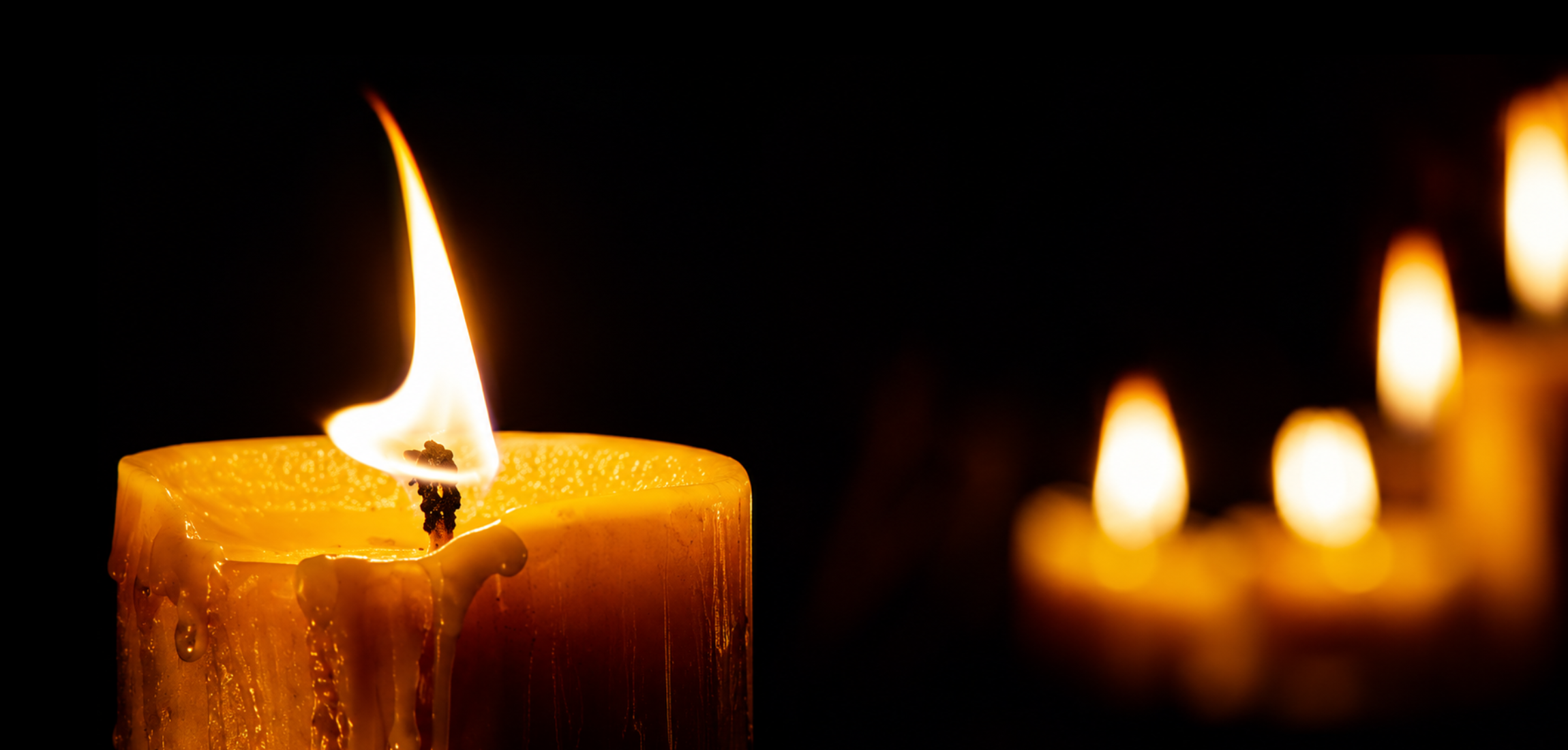
The candle is lit. The intention is set. Now the flame starts doing something unexpected.
It shoots up high, then drops low. It flickers wildly when there's no draft in the room. It splits into two distinct points. It goes out entirely when the candle is barely half burned. You find yourself staring at it, certain it's trying to tell you something, but not sure what.
It is trying to tell you something. Reading the flame is one of the oldest forms of divination there is, and it's built directly into candle magic practice. You don't need any additional tools. The candle itself is the oracle. You just need to know the language.
This guide covers every significant flame behavior you'll encounter in candle magic, what each one means, and how to work with that information rather than just feeling uncertain about it.
What Is Candle Flame Reading?
Candle flame reading, also called pyromancy or lychnomancy depending on the tradition, is the practice of observing and interpreting the behavior of a candle's flame during a spell or ritual to gain information about the working.
The premise is that the flame doesn't just burn. It responds. To the energy in the room, to the strength and clarity of your intention, to the presence of spiritual forces, to resistance or support in the path of the spell, and to information that your conscious mind hasn't yet accessed.
Experienced practitioners pay attention to flame behavior from the moment the candle is lit to the moment it goes out, treating the entire burn as a continuous reading. The flame is not static. It is a dynamic, living indicator of what is happening energetically, and learning to read it accurately is one of the most useful skills you can develop in a candle magic practice.
A note before we get into specific behaviors: flame reading is interpretive, not mechanical. The meanings given here are traditional and widely used, but they are starting points for your own discernment, not definitive verdicts. Context matters enormously. A flickering flame in a drafty room tells you something different than a flickering flame in a sealed space. A candle that goes out in a working you approached half-heartedly tells you something different than one that goes out in a working you poured everything into. Read with intelligence and trust your instincts alongside the traditional meanings.
Love Spells That Work: Spells to Attract Love, Desire, and Obsession is a beautifully crafted collection of love rituals, attraction magic, and relationship spellwork designed to help you call in romance, deepen emotional bonds, reignite passion, and become impossible to forget.
Inside this digital grimoire, you’ll discover 22 love spells, including:
Honey jar spell for sweetening love and attraction
Spell to find a lover
Spell to make someone think of you nonstop
Spell to bring someone to you
Seductive spell to make him crave you
Nurturing spell to strengthen a relationship
Traditional spells to make someone love you using candles, herbs, oils, and petitions
Love binding spell for deeper energetic connection
Cleansing spell to remove negativity from a relationship
Emotional healing spells to bring back a lover
Magnetic love spell chant for attraction and manifestation
Also includes:
Step-by-step instructions for every ritual
Self-love and confidence spellwork
Guide to magical tools, herbs, stones, and oils
Soulmate attraction spells
Passion and reconciliation rituals
Candle magic and moon rituals
Perfect for beginner witches, spiritual practitioners, manifestation lovers, and anyone seeking deeper love, passion, obsession, and connection.
Instant digital download — begin your spellwork tonight. ✨
The Strong, Steady Flame
A strong, tall, steady flame that burns without agitation or fluctuation is the gold standard in candle magic. It is the flame you want to see.
A strong steady flame indicates that the energy behind the working is clear and moving without obstruction. Your intention is well formed, the path to the outcome is open, and the spell has real force behind it. The working is in motion and it is moving cleanly.
If your candle burns this way from the moment you light it, take it as a strong positive sign. The conditions are right, the intention is clear, and the energy is aligned. There is nothing to adjust. Let it burn.
A flame that starts steady and becomes stronger as the candle burns indicates building momentum. The working is gathering energy as it goes. This is a particularly good sign for spells that involve growth, attraction, and increase.
The High Flame
A flame that burns significantly higher than expected, tall and reaching upward with force, is a sign of strong, intense energy behind the working. This is generally positive but worth paying attention to.
A very high flame indicates that the energy is powerful and moving fast. The spell has significant force behind it. Results may come more quickly than anticipated. If the working involves calling in something you genuinely want and are ready for, a high flame is excellent news.
However, a very high flame can also indicate that the energy is running hotter than optimal. Excess energy in a working isn't always better. If the flame is burning so high that it seems out of proportion to the candle, consider whether your emotional state going into the working was agitated, anxious, or driven by urgency rather than genuine alignment. Desperate energy tends to burn hot and produce unpredictable results.
A high flame that settles to a steadier height as the candle burns is a sign that the intensity is finding its natural level. The initial spike was the working engaging with strong energy, and now it has settled into its natural pace.
When working with a red candle for passion or courage magic, a high flame is often expected and welcome. The same flame on a candle intended for calm, clarity, or peace work warrants more attention.
The Low Flame
A flame that burns noticeably lower than expected, small, weak, or struggling to stay lit, is worth taking seriously.
A low flame indicates that the energy behind the working is meeting resistance, that the conditions for this particular working are not currently aligned, or that there is something in the intention itself that needs attention.
This resistance can come from several sources. The intention may be unclear or contradictory. There may be significant energetic interference or blockage in the situation you're working with. The timing may be off. Your own energy going into the working may have been depleted or distracted. Or the working may simply be pointing toward something that genuinely isn't ready to move yet.
A low flame is not a sign that your spell has failed. It is information. Take it seriously enough to pause and examine what it might be pointing to before you continue or recast the working.
If the flame strengthens as the candle burns, that's a sign that initial resistance is being overcome. Watch whether the working finds its footing.
If the flame remains persistently low throughout the burn, consider the following: cleanse your space and yourself before attempting the working again, refine your intention to make it sharper and more specific, or sit with whether this particular goal is genuinely aligned with where you are right now and what you're ready for.
The Flickering Flame
A flickering flame is one of the most commonly observed behaviors in candle magic and one of the most frequently misread. Not every flicker is a spiritual communication. Before reading energetic meaning into a flickering flame, rule out the practical: is there a draft? Is the candle in a location with air movement? Is the wick too long or swimming in a pool of melted wax?
If physical causes are ruled out, flickering carries meaningful information.
Moderate, rhythmic flickering
A flame that flickers in a fairly regular, rhythmic pattern generally indicates that spiritual energy is present in the space and engaged with the working. In many traditions, this is considered a positive sign: it is the flame acknowledging the presence of guides, ancestors, or other spiritual support for the working.
If you are doing the working with the intention of calling in spiritual assistance or communicating with ancestors or guides, rhythmic flickering is often interpreted as a confirmation that contact has been made and the channel is open.
Agitated, irregular flickering
Rapid, irregular flickering that seems almost frantic indicates interference, competing energies, or turbulence in the situation you're working with. This is not necessarily a sign that the working won't succeed, but it is a sign that the path is not clean and clear.
Possible interpretations include conflicting intentions within the working itself, external energetic interference from other people or forces involved in the situation, significant resistance or opposition to the outcome you're working toward, or energetic turbulence in your own field that is being reflected in the flame.
When a flame flickers in this agitated way, it's worth taking a moment to reassess. Are there competing energies within your own intention that you haven't fully resolved? Is the situation more complex or contested than you've been acknowledging? What would need to shift for the path to become cleaner?
Flickering toward you
A flame that consistently flickers or leans toward you is generally interpreted as a positive sign, indicating that the energy of the working is oriented in your direction, that what you're calling in is moving toward you.
Flickering away from you
A flame that consistently flickers or leans away from you may indicate that the energy is meeting resistance, moving in an uncertain direction, or that the outcome may not be coming in the form or through the avenue you're expecting.
The Dancing Flame
A dancing flame moves energetically and playfully, with larger, more sweeping movements than ordinary flickering. Where flickering can feel agitated, a dancing flame typically feels animated and alive rather than turbulent.
A dancing flame is widely interpreted as a sign that spiritual energy is very present and active in the working. The flame is often said to be communicating, expressing the engagement and movement of the forces you've called in. In workings involving deities, guides, or other spiritual presences, a dancing flame is often taken as a strong confirmation that the presence has arrived and is participating.
A dancing flame also indicates that the energy of the working is dynamic and active rather than static. Things are moving. The working is engaged. This is generally positive, though the specific interpretation depends on the context of the spell.
In workings related to love, creativity, and abundance, a dancing flame is typically a very good sign. In workings related to peace, healing, or calm, it may indicate that the energy is more active than the intention calls for and that some settling work would help.
The Jumping Flame
A jumping flame is distinct from dancing in its quality. Where a dancing flame moves fluidly and expressively, a jumping flame makes sudden, sharp upward movements, almost like a series of exclamation points.
A jumping flame is associated with strong, concentrated bursts of energy. In many traditions, it is interpreted as a sign that the working is encountering intense energy, either supportive or resistant, depending on context and what else the flame is doing.
Some practitioners interpret a jumping flame as the presence of a particularly powerful spiritual force engaging with the working. Others read it as the spell making forceful contact with its target.
In protection and banishing work, a jumping flame is often read as the working actively engaging with and clearing the negative energy it was set to address. In love and attraction work, it can indicate strong energetic contact between you and the focus of the working.
A jumping flame that settles into a steadier burn after a series of jumps typically indicates that initial intensity has found its footing and the working is now moving steadily forward.
The Split Flame
A candle flame that splits into two distinct points at its tip, or that burns with two visible flames from a single wick, is one of the more striking things you can observe in candle magic and one of the more nuanced things to interpret.
The split flame meaning depends significantly on the nature of the working.
In workings involving two people, such as love spells, reconciliation work, or any ritual concerning a relationship between two specific individuals, a split flame is generally interpreted as representing those two people. Both flames visible and burning indicates both parties are energetically present in the working. If one side of the split burns more strongly than the other, it may reflect the relative energy or receptivity of each person in the situation.
In workings focused on a single intention or outcome, a split flame can indicate that the energy of the working is dividing, that there are two possible directions or outcomes emerging from the same root intention. This is worth reflecting on: are you genuinely clear about what you want, or are you holding two competing desires in the same working?
In some traditions, a split flame is simply read as a sign of strong spiritual presence, the flame bifurcating under the influence of significant energy rather than for any reason specific to the working's content.
Watch what happens to the split flame as the candle burns. If the two points rejoin into a single flame, that is typically interpreted as unification, the two elements of the working coming together. If the split persists or widens, it may indicate ongoing division or complexity in the situation.
The Flame That Goes Out
A candle that extinguishes itself before burning down is one of the most discussed flame behaviors in candle magic, and one that people often respond to with disproportionate alarm. It warrants attention, but it is not a catastrophe.
First, as with flickering, rule out the practical: did the wick drown in a pool of wax? Was there a sudden draft? Is the candle itself of poor quality with an inadequate wick? These are the first things to assess.
If practical causes are ruled out, a self-extinguishing flame is typically interpreted as one of the following.
The working is not ready to proceed. Something in the timing, the conditions, or your own readiness for the outcome isn't aligned. The candle going out is an invitation to pause and assess before continuing. This is not a permanent door closing. It is a signal to wait, to do some additional clearing or preparation work, or to refine the intention before proceeding.
There is significant resistance or opposition. The path to this particular outcome has real obstacles, either energetic or practical, that need to be addressed before the working can move forward effectively.
The working is complete. In some traditions and for some types of workings, a candle going out before it's fully burned is interpreted as the work being complete rather than interrupted. The spell has done what it needed to do and the flame went out because the energy was spent, not because it was blocked.
The interpretation depends on context: what the working was for, how much of the candle remained when it went out, what the flame was doing before it extinguished, and what your intuition tells you. Trust that last factor significantly. You know your working. You know what it felt like before and during. That knowledge is relevant to reading what the extinguished flame means.
What to do when your candle goes out:
Wait at least a day before relighting. In the meantime, sit with what the working was about and whether there is anything in your intention, your energy, or your readiness that needs to shift. If you relight it and it goes out again, take that as a stronger signal to reassess the working itself.
The Candle That Burns Extremely Fast
A candle that burns down much more quickly than its size and type would normally suggest is a sign of intense, fast-moving energy in the working.
This is generally a positive sign in workings where you want quick results. The energy is moving rapidly and the outcome may come faster than expected. In workings related to urgent matters, quick resolution, or situations where speed is important, a fast-burning candle is welcome.
However, a candle that burns unusually fast can also indicate that the energy was so intense it burned through quickly without fully settling into the intention. The working got hot and burned fast rather than burning steadily and with sustained focus. The result may be less stable and lasting than a working that burned more evenly.
If you need lasting results rather than fast ones, a candle that burns very fast can be followed by a second working using a fresh candle with the same intention but a more grounded, settled energy going in.
The Candle That Burns Slowly and Evenly
A candle that burns more slowly than expected, taking its time and burning evenly and cleanly, indicates that the working is proceeding carefully and thoroughly.
This is generally a positive sign for workings related to long-term goals, sustained change, deep healing, and anything that benefits from patience and thoroughness over speed. The energy is building properly rather than rushing to a quick result.
A slow, clean burn is particularly positive in protection and stability workings, where you want solid, lasting results rather than dramatic but fleeting change.
The Flame That Burns With Colored Fire
Occasionally a candle flame will burn with a noticeably colored quality, most often blue or with blue edges. A blue flame or a flame with strong blue coloration is one of the most significant things you can observe in candle magic.
A blue flame indicates the presence of strong spiritual energy and is widely interpreted as a sign that a spirit, guide, or significant spiritual force has joined the working. It is also associated with powerful psychic energy and with magic that is working at a deep level.
Some practitioners specifically watch for a blue flame as confirmation that their ancestors or guides have arrived in a working. Others interpret it as a sign that the magic is operating with particular purity and strength.
For a detailed guide to the meaning of the blue flame specifically, see what does a blue flame mean in witchcraft?
Heavy Black Smoke
Some degree of smoke is normal in candle burning. Heavy, dark, persistent smoke is not, and when it appears during a candle magic working, it carries meaning.
Heavy black smoke during a cleansing, banishing, or protection working is often interpreted as the candle actively absorbing and processing significant negative energy. The smoke is the energetic residue of what the working is clearing. In this context, heavy black smoke is not alarming. It is the candle doing exactly what you lit it to do.
Heavy black smoke in a working that was not specifically about clearing, in a love spell or a prosperity working for instance, may indicate that there is more energetic obstruction in the situation than you realized. The working is encountering and attempting to process resistance or blockage before it can move toward its primary intention.
If black smoke persists throughout a working not intended for clearing, consider whether a preliminary cleansing working is needed before proceeding with the primary spell.
The Candle Wick That Forms a Mushroom
As a candle burns, the wick sometimes develops a small, mushroom-shaped carbon buildup at its tip. In practical terms, a mushroom wick is a sign that the wick needs to be trimmed and that the candle is producing more soot than it should.
In magical terms, many practitioners interpret a mushroom wick as a sign of blocked or incomplete energy movement. The working may be proceeding, but something is creating buildup and obstruction rather than clean burning.
If you notice a mushroom forming on the wick of a candle mid-working, carefully extinguish the candle, trim the wick to about a quarter inch, and relight with renewed intention. The act of clearing the wick can be treated as a small clearing gesture within the working itself: removing the buildup so the energy can move cleanly again.
Reading Multiple Candles in a Working
When you're burning more than one candle in a single working, the flames can be read in relationship to each other as well as individually.
Two candles burning at similar heights and with similar behavior indicate harmony and balance in the working. The energies are aligned.
One candle burning significantly stronger than another may indicate that one element of the working has more energy behind it than the other. In a working involving two people, it often indicates one person's energy or receptivity is stronger in the situation.
Two candles that lean toward each other as they burn are almost universally read as a positive sign in relationship workings: the two energies are drawn toward each other, the connection is building.
Two candles that seem to burn away from each other may indicate resistance, distance, or competing energies between the two elements they represent.
Keeping Notes on Your Candle Readings
The most effective way to develop your candle reading practice is to keep records. After every working, note what the flame did, when, and in what context. Note what the working was for, what the outcome was, and whether the flame behavior turned out to be accurate in retrospect.
Over time, patterns will emerge that are specific to your practice, your energy, and the way magic moves through your particular workings. You will begin to recognize what a high flame means in your context versus a dancing flame. You will start to know your candles.
This kind of accumulated, practice-specific knowledge is more useful than any general guide, including this one. The traditional meanings given here are the foundation. Your own observed patterns are what you build on top of them.
Pay attention. Take notes. Trust what you learn.
Continue exploring: